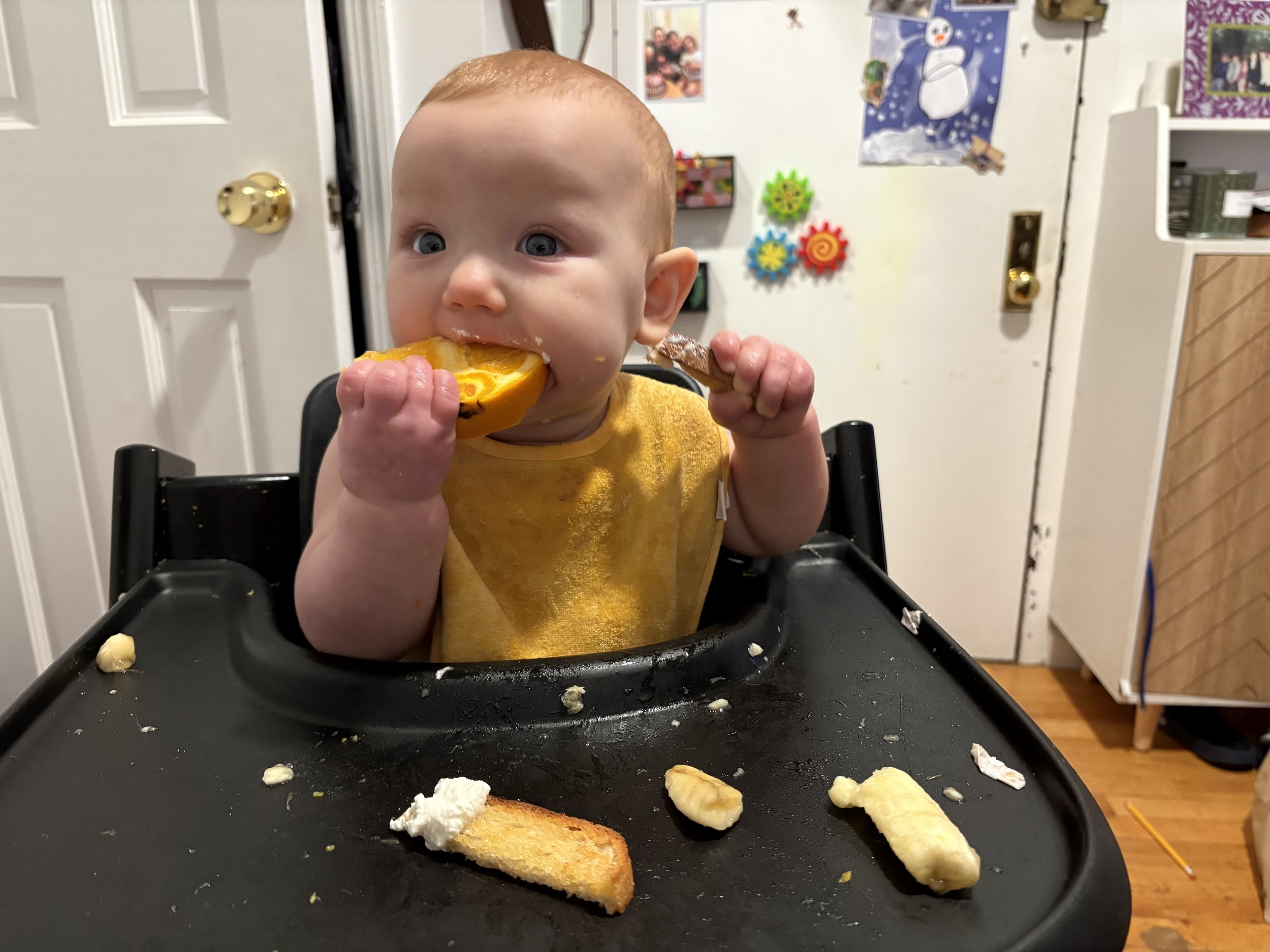
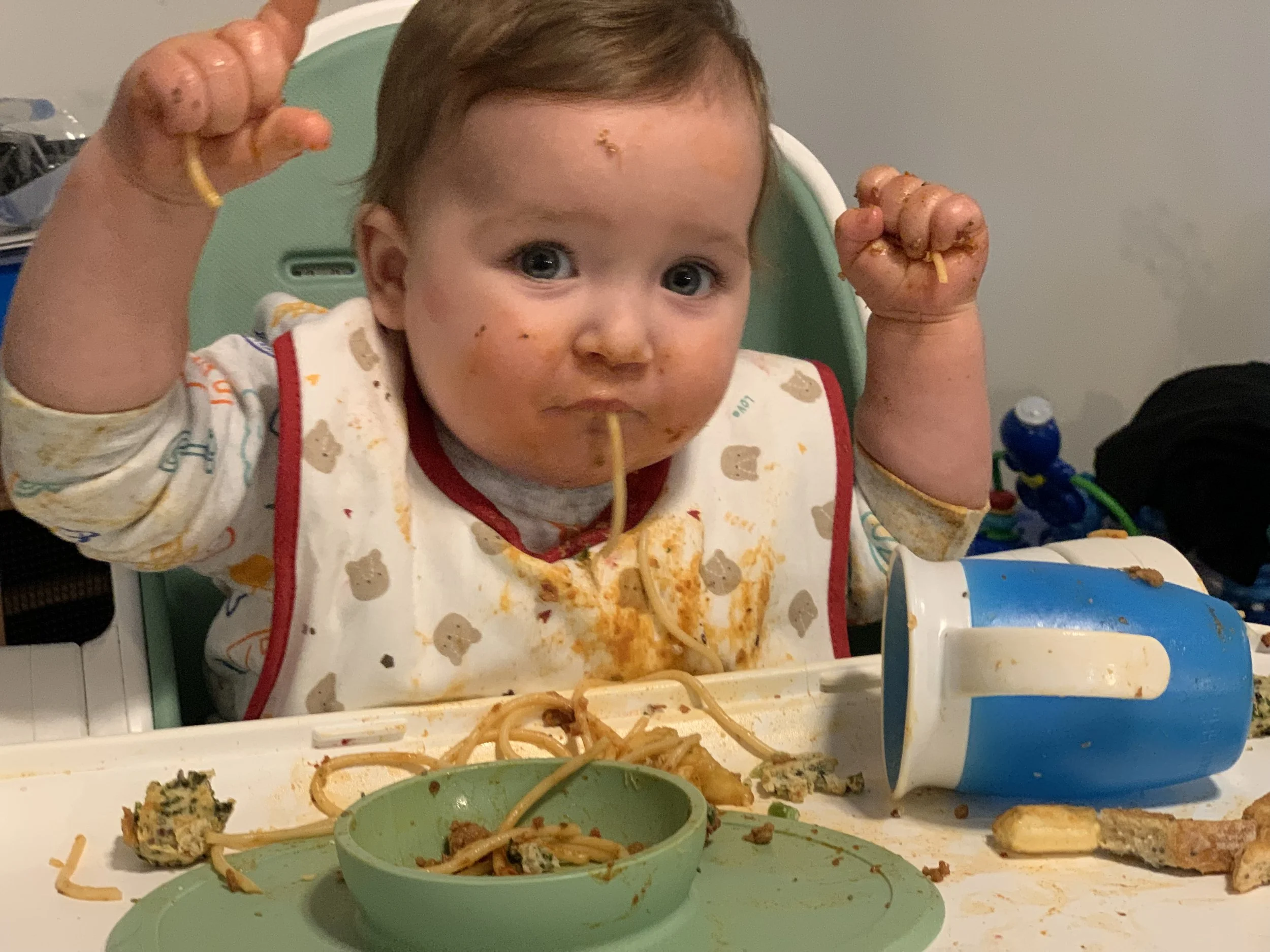
Your baby’s openness to flavor peaks earlier than you think and how you offer taste now can shape their relationship with food for years to come.
Taste is one of the earliest senses to develop, and babies come into the world already prepared to experience flavor. Long before babies take their first bite of food, they are exposed to taste through amniotic fluid during pregnancy and later through breastmilk. This early exposure helps shape how open babies are to new flavors once solids begin.
Research suggests that taste acceptance is at its peak roughly between 4 and 8 months of age and gradually becomes less flexible as babies approach the end of the first year. This does not mean babies cannot learn to like new foods later. They absolutely can. But it does mean that early exposure carries a unique advantage. By the time most babies are considered “ready” for solids around six months, that window of peak openness is already beginning to narrow. This is why offering a variety of tastes early matters.
Babies are biologically inclined to accept sweet flavors. Breastmilk itself is sweet, so this preference is expected and protective. However, a preference for sweet does not mean babies are limited to sweet foods. Babies are capable of accepting flavors across all taste categories when exposure happens early and without pressure. These include sweet, salty, bitter, sour, and savory flavors.
Many parents are surprised by how willing babies can be to explore flavor. Grimaces, pauses, or spit outs are not signs of rejection. They are signs that the brain is processing something new. Acceptance often comes with repeated exposure, not immediate enthusiasm.
One downside of relying heavily on pre jarred baby foods is that they tend to offer a narrow flavor range. Fruits are often used as a base because they are sweet, inexpensive, and widely accepted. Vegetables, proteins, and savory foods are frequently blended with apple or pear, which reduces exposure to bitter, tangy, or umami flavors. While these foods are not harmful, they limit a baby’s experience during a time when curiosity is naturally high.
Taste learning is about more than liking food. It is about flexibility, curiosity, and comfort with variety. When babies experience different flavors and textures early, they learn that food can taste different and still be safe. This sets the stage for a more positive and adventurous relationship with food over time.
Taste exploration does not require elaborate meals or large portions. It requires variety, repetition, and a low pressure environment. A small taste of lentils one day, avocado with lemon another, yogurt with herbs another all count.
When taste is framed as exploration rather than evaluation, feeding becomes more joyful for babies and caregivers alike