
CHAPTER 4: Safety — Protecting Learning While Reducing Fear
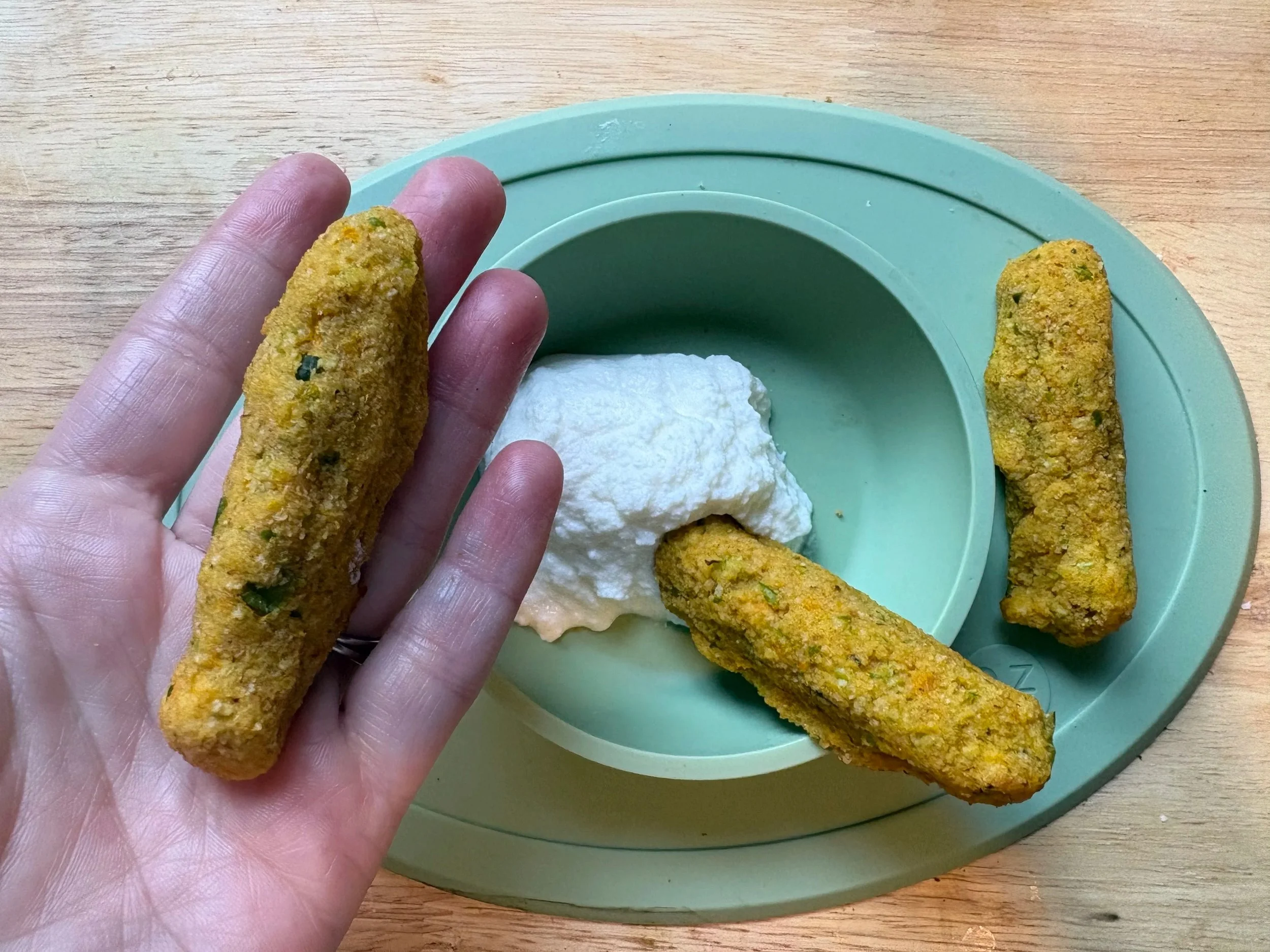
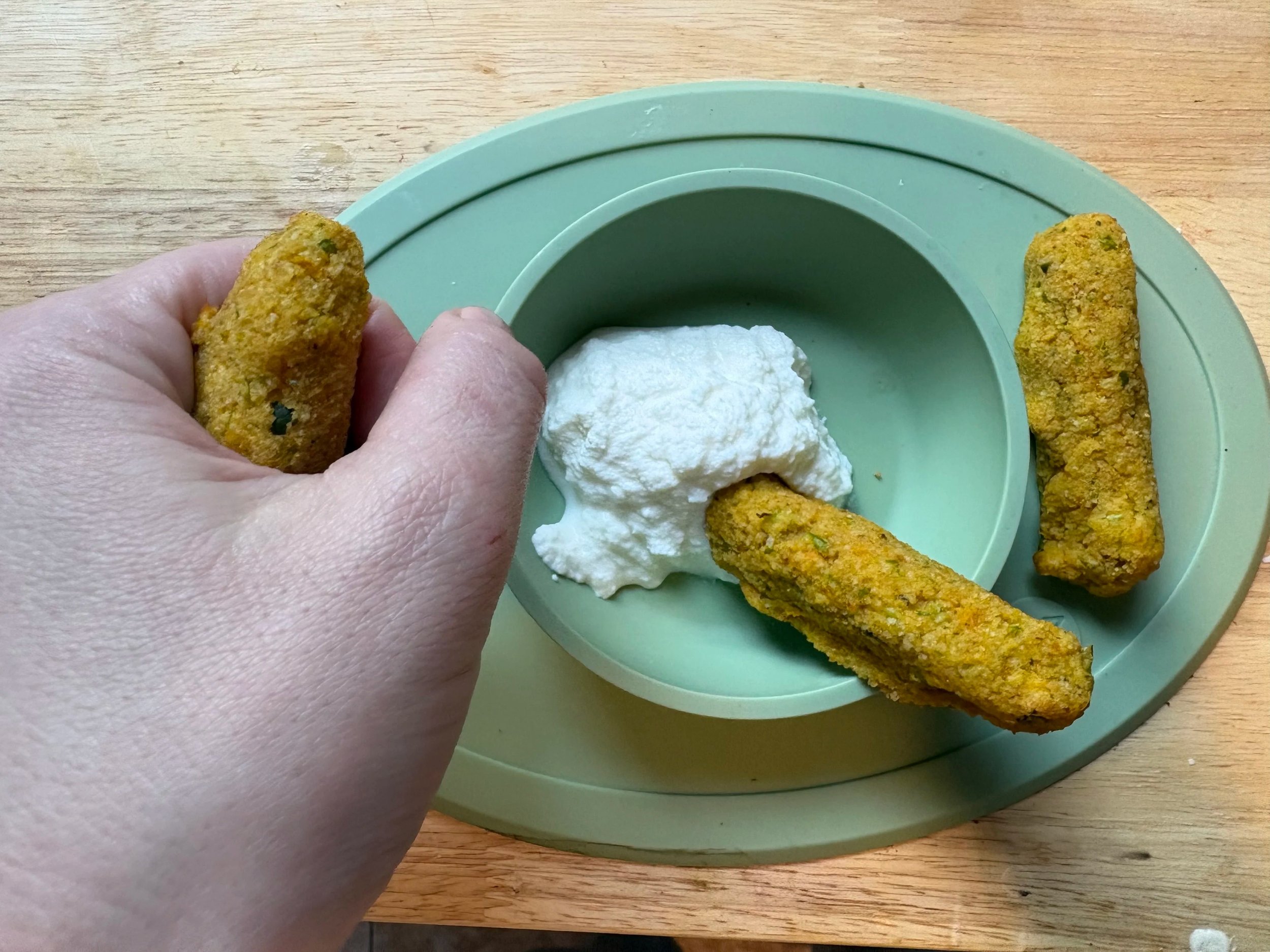
Babies are safest when foods are offered in sizes and shapes they can control
Often long strips or appropriately sized pieces. Large portions don’t increase safety and can actually increase risk. Smaller, manageable pieces allow babies to explore food at their own pace and stop when needed.
Takeaways
Why strip shapes support early grasping
When and how to move to smaller pieces
How portion size affects pacing
Visual comparisons of safe vs risky cuts
Texture progression examples by age and skill
Important Safety Disclaimer
The information provided in this chapter is for educational purposes only and is not intended to replace medical advice, diagnosis, or treatment. Feeding recommendations may vary based on a child’s individual medical history, developmental needs, and guidance from their pediatrician or healthcare provider.
All feeding activities carry inherent risk. By choosing to feed your child solid foods, you acknowledge that you are responsible for your child’s supervision and safety at all times. Babies and young children should never be left unattended while eating or handling food.
Always ensure your child is:
Seated upright and properly supported
Actively supervised during meals
Offered foods that are appropriate for their developmental level
If your child has a history of prematurity, feeding difficulties, swallowing concerns, medical conditions, or developmental delays, consult your pediatrician or a qualified feeding professional before introducing or advancing solid foods.
This course does not guarantee outcomes and does not assume responsibility for individual feeding decisions or incidents. Caregivers are responsible for determining what is safe and appropriate for their child.