
Feeding Babies with Confidence: A Responsive & Developmental Approach (6–12 Months)
This is a comprehensive course designed to help caregivers understand how babies learn to eat. Through 10 thoughtfully structured chapters, you’ll learn how to support taste acceptance, texture progression, safety, and nutrition without pressure. This course replaces fear and rigid rules with developmentally informed guidance, helping caregivers feel calm, confident, and prepared at the table.
-
Introduction
-
CHAPTER 1: What to Feed Babies and Why
-
Lesson 1.1: Feeding Is a Lifelong Relationship With Food
For most of human history, babies did not eat commercial baby food. Jarred baby food emerged in the mid-1900s and was marketed as modern and convenient, with only a few options like meats and vegetables. Over time, fruits became dominant because they were cheaper, sweeter, and had longer shelf lives. Many baby foods today are fruit-based, often cut with apple or pear. This shift reflects industry priorities, not infant biology, and invites us to rethink what babies truly need.
-
Lesson 1.2: Before We Eat- Prefeeding Skills
Before babies eat food, they need opportunities to build the skills that make feeding feel safe, coordinated, and comfortable. Feeding readiness isn’t about age or schedules, it’s about development. Every baby arrives here in their own time, and rushing this stage often creates stress later.
This lesson focuses on the foundational skills that support safe and enjoyable feeding long before the first bite.
-
Lesson 1.3: What Babies Are Biologically Designed to Do
Babies are born with mouths designed to change. Chewing, jaw strength, tongue movement, and oral structure develop through use not time alone. Across cultures, including many Indigenous populations, strong oral development has been supported through breastfeeding and early exposure to textured, chewable foods. This doesn’t mean purées are harmful; it means they’re just one small part of a much bigger picture of oral development.
-
Lesson 1.4: Taste
Babies are born preferring sweet flavors, as breastmilk is naturally sweet, but research shows even young infants can accept bitter, sour, and savory tastes. As early as four months, babies show greater acceptance of new flavors with repeated, pressure-free exposure. Preferences are not fixed—they develop over time. Early flavor variety supports flexibility and curiosity later, even when babies eat very small amounts.
-
Lesson 1.5: Purées Aren’t the Problem, Exclusivity Is
This course is not anti-purée. Purées can be nutritious and developmentally appropriate. The concern is relying on them exclusively or for too long. Purées are easy to make at home using real foods and don’t have to be spoon-fed only. They can be spread on toast, used as dips, or preloaded on spoons for self-feeding supporting flavor exposure while continuing to build oral and motor skills.
-
-
CHAPTER 2: Who Decides What at the Table and Why It Matters
-
Lesson 1: Feeding CUE-mmunication
Feeding is one of a child’s earliest relationships. Before babies can express hunger or fullness with words, they communicate through cues, such as, turning away, reaching, leaning in, slowing down, or stopping. Feeding works best as a conversation, not a performance. When adults focus on providing safe, nourishing food at predictable times, rather than how much is eaten, babies are free to listen to their bodies and guide intake.
-
Lesson 2: The Caregiver's Role
Parents are responsible for:
Choosing foods that are safe and developmentally appropriate
Offering a variety of flavors and textures over time
Deciding when meals and snacks happen
-
Lesson 3: The Child’s Role
The Child’s Role What to Eat and How Much
Babies are born with an innate ability to regulate intake. They know when they are hungry and when they are full, long before they can tell us with words. When babies are allowed to decide if and how much they eat, they maintain trust in their bodies.
-
Lesson 4: Why This Division Protects Safety and Skill Development
Clear roles support both autonomy and safety. When babies are allowed to self feed at their own pace, they are better able to manage textures, coordinate chewing, and stop when something feels overwhelming. When adults rush, pressure, or override cues, babies may swallow before they are ready or lose trust in their signals. Responsive feeding supports oral development, reduces power struggles, and builds long term eating skills.
-
-
CHAPTER 3: Nutrition- What Goes on the Plate (and Why Less Is More)
-
Lesson 3.1: Baby Stomachs Are Small and That’s on Purpose
Babies are not meant to eat large amounts of solid food in the first year. Their stomachs are small, and their primary source of nutrition and hydration is still breastmilk or formula.
This is why early meals often look like:
A few bites
A taste or two
Food played with more than eaten
it’s biology. Babies do not need “full plates” to be nourished. They need consistent exposure to foods alongside adequate milk intake.
-
Lesson 3.2: Nutrition Is About What You Offer — Not What They Finish
In the first year, nutrition comes from:
Milk first
Food exposure second
Your role is not to build a perfect plate or hit nutritional targets at each meal. Your role is to offer foods that carry nutritional value and trust that over time, intake will grow.
This is why we focus on nutrient-dense foods rather than volume.
-
Lesson 3: The Four Nutritional Building Blocks
Rather than thinking in terms of meals or portions, it’s more helpful to think in categories. Over time, babies benefit from exposure to foods that provide:
Healthy fats – for brain development and growth
Iron-rich foods – as iron stores from birth begin to decrease
Vitamin C foods – to support immunity and iron absorption
Carbohydrates – for energy and development
Not every meal needs all four. In fact, most meals won’t and that’s expected.
-
Lesson 4: What This Looks Like in Real Life
A nutritionally supportive plate for a baby might be:
One food
Two foods
A small portion of something already on your plate
A plate with avocado or eggs or lentils is enough. Adding vitamin C or carbs over time supports balance, but balance happens across days and weeks, not meals.
-
Lesson 5: Nutrition without Pressure
When nutrition becomes the focus of how much a baby eats, pressure sneaks in. When nutrition is framed as what is offered, babies are free to listen to their bodies.
Offering iron-rich foods regularly, pairing foods thoughtfully when possible, and continuing milk feeds is enough. Babies do not need to “clean their plate” to be well nourished.
-
-
CHAPTER 4: Safety — Protecting Learning While Reducing Fear
-
Lesson 1: Why Choking Risk Is About Shape, Size, and Speed
Choking risk isn’t determined by whether a food is “soft” or “hard” alone. It’s about shape, size, texture, and how quickly food moves in the mouth. Babies are learning to coordinate breathing, chewing, and swallowing all at once. Offering foods that are appropriately sized and shaped allows babies to manage food safely at their own pace.
-
Lesson 2: Gagging Is Not Choking
Gagging is a normal and protective reflex that helps babies learn where food sits safely in the mouth. It often looks dramatic, but it is part of learning how to chew and swallow. Gagging helps babies slow down, reposition food, and stay safe especially when they are allowed to feed themselves without pressure.
-
Lesson 3: Why “Soft and Squishable” Matters
Foods offered to babies should be soft enough to squish easily between your fingers. This allows babies to manage food with their gums and developing chewing skills. Soft foods reduce choking risk while still giving babies opportunities to practice chewing, moving food around the mouth, and coordinating swallowing.
-
Lesson 4: Size and Shape Matter More Than Quantity
Babies are safest when foods are offered in sizes and shapes they can control, often long strips or appropriately sized pieces. Large portions don’t increase safety and can actually increase risk. Smaller, manageable pieces allow babies to explore food at their own pace and stop when needed.
-
Lesson 5: Foods to Avoid and WHY
Some foods are not safe for babies because of their shape, texture, or how they break apart in the mouth. These include foods like whole nuts, grapes, olives, chips, and hard raw vegetables. Avoiding these foods is not about restriction, it’s about protecting babies while their skills are still developing.
-
Lesson 6: Safety Is Also About the Environment
Safe feeding isn’t just about food it’s about how meals are set up. Babies should be seated upright, supported, and allowed to focus on eating without distractions. Calm, predictable mealtime environments help babies regulate pacing, breathing, and swallowing more effectively.
-
Lesson 7: Putting It All TogetherWhat a Realistic Meal Looks Like
A safe baby meal focuses on soft textures, appropriate shapes, small portions, and a calm environment. When babies are supported, allowed to self-pace, and caregivers stay present, feeding becomes safer and more enjoyable.
-
-
CHAPTER 5: Cutting, Preparing & Serving Foods
-
Lesson 1: How Food Is Cut Matters More Than What Food It Is
How food is cut plays a major role in feeding safety and skill development. Size, shape, and texture determine how easily a baby can control food in their mouth. Foods that are prepared thoughtfully allow babies to explore, chew, and swallow at their own pace, reducing risk and supporting confidence.
-
Lesson 2: The “Soft & Squishable” Rule
Foods offered to babies should be soft enough to squish easily between your fingers. This allows babies to manage food safely with their gums and early chewing skills. Soft foods reduce choking risk while still supporting oral development and sensory exploration.
-
Lesson 3: Size & Shape Support Grip and Control
Babies are safest when foods are cut into shapes they can hold and control. Early on, long strip shapes support grasping and self-feeding. Size and shape help babies pace themselves, reposition food, and stop when needed.
-
-
CHAPTER 6: How Babies Learn to Eat (Exploration Comes First)
-
CHAPTER 7: Hands Are the First Mouth
-
CHAPTER 8: What to Serve Real Examples, Simple Meals, and Inspiration
-
Lesson 1: Simple Meals Are Enough
Babies do not need elaborate meals to learn how to eat. Simple, repetitive foods offered in developmentally appropriate ways support safety, confidence, and learning. This lesson helps caregivers let go of meal perfection and understand why one or two thoughtfully prepared foods are often more effective than full plates.
-
Lesson 2: Dough Is Dope
Dough is one of the easiest and most versatile foods you can make for babies. It comes together quickly, is forgiving, and can be adapted with different colors, flavors, and nutrients. This lesson shows how dough can turn simple ingredients into developmentally supportive foods like flatbreads and biscuits that babies can safely explore and enjoy.
-
Lesson 3: Bet on Batter
Batters are softer, pourable mixtures that cook into tender, forgiving foods ideal for early eaters. Unlike dough, batters flow and spread, creating soft textures that are easy to bite and manage. This lesson explains what batter is, how it differs from dough, and how simple batters can support learning, batching, and low stress meals for babies.
-
Lesson 8.4: Cooking & Offering Meat to Babies
Babies can participate in family meals long before they eat everything on the plate. This lesson shows how to safely modify family foods so babies can eat alongside caregivers without needing separate meals or special recipes.
-
-
CHAPTER 9: Materials Tools Setup and What You Actually Need
-
CHAPTER 10: Putting It All Together A Confident Feeding Plan (COMING SOON)
-
Final Thoughts

Meet your instructor
Deborah Brooks MA, CCC-SLP, TSSLD
Deborah Brooks is a NYC-based Speech-Language Pathologist specializing in infant and pediatric feeding. She began her career supporting stroke survivors and providing comfort-focused pleasure feeds in hospice care, shaping her belief that feeding is both a skill and a relationship.
After becoming a mother to two boys, both exclusively breastfed, Deborah shifted her focus to early childhood development and infant feeding and the transition to solids. She now works at Speech in the City in Manhattan, treating complex feeding cases including tube weaning and picky eating. Her work is rooted in attachment, comfort, and Circle of Security principles, prioritizing trust and emotional safety alongside feeding skill development.
What you’ll learn
-
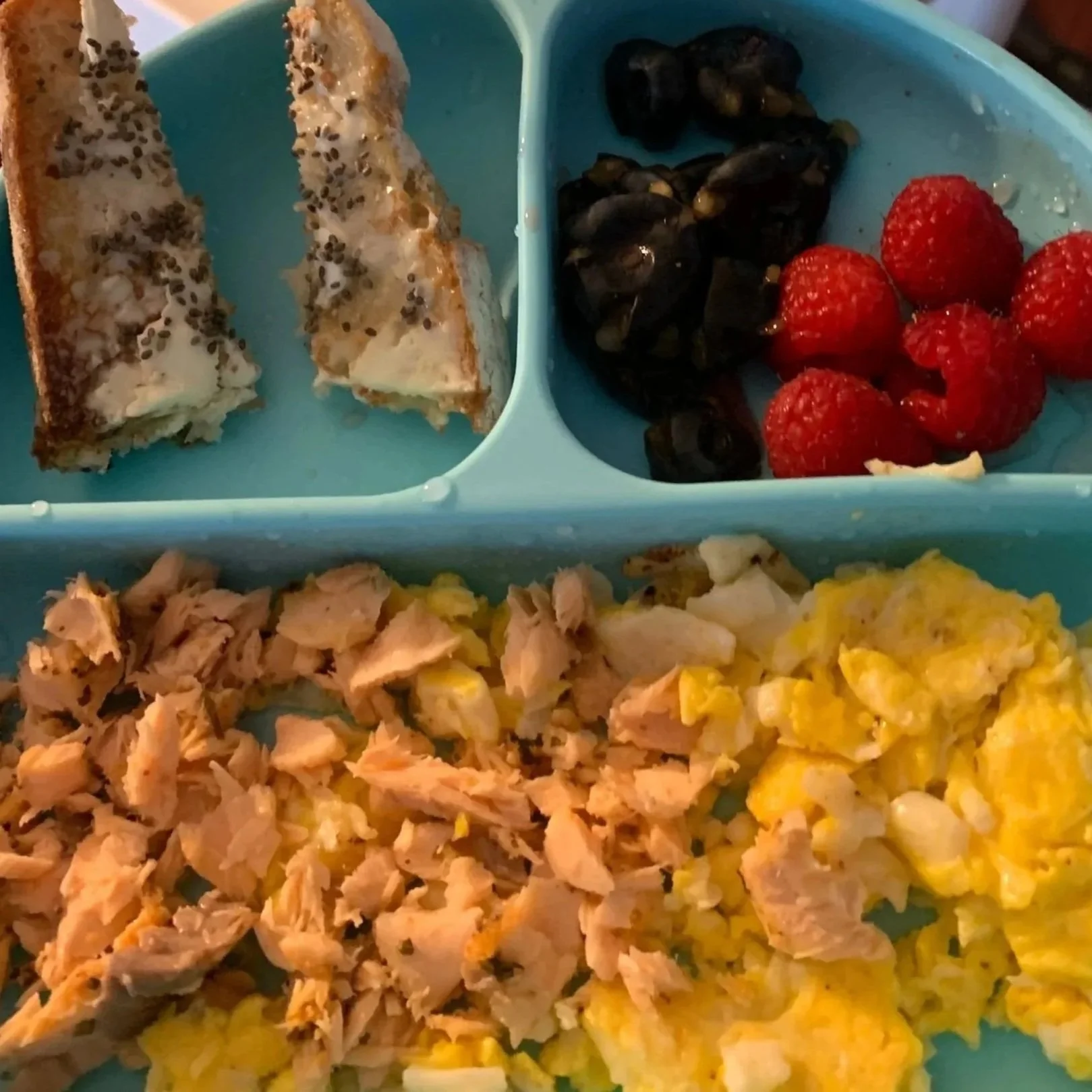
Learn what foods to offer between 6–12 months, how to cut and prepare them safely, and how to move beyond purées without pressure or fear.
-
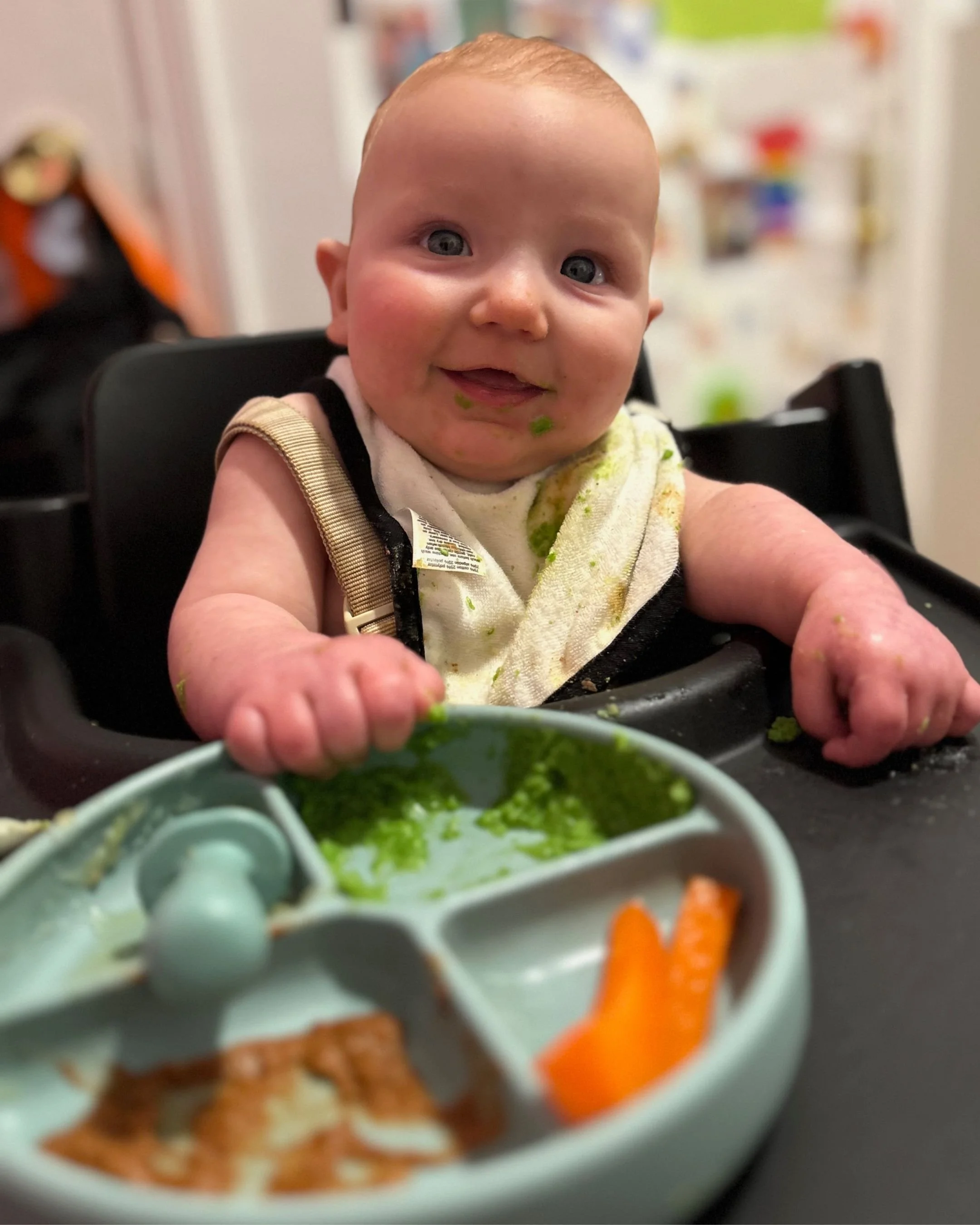
Understand hunger, interest, and fullness cues so you know when to offer more, when to pause, and when to stop, without second-guessing yourself.
-
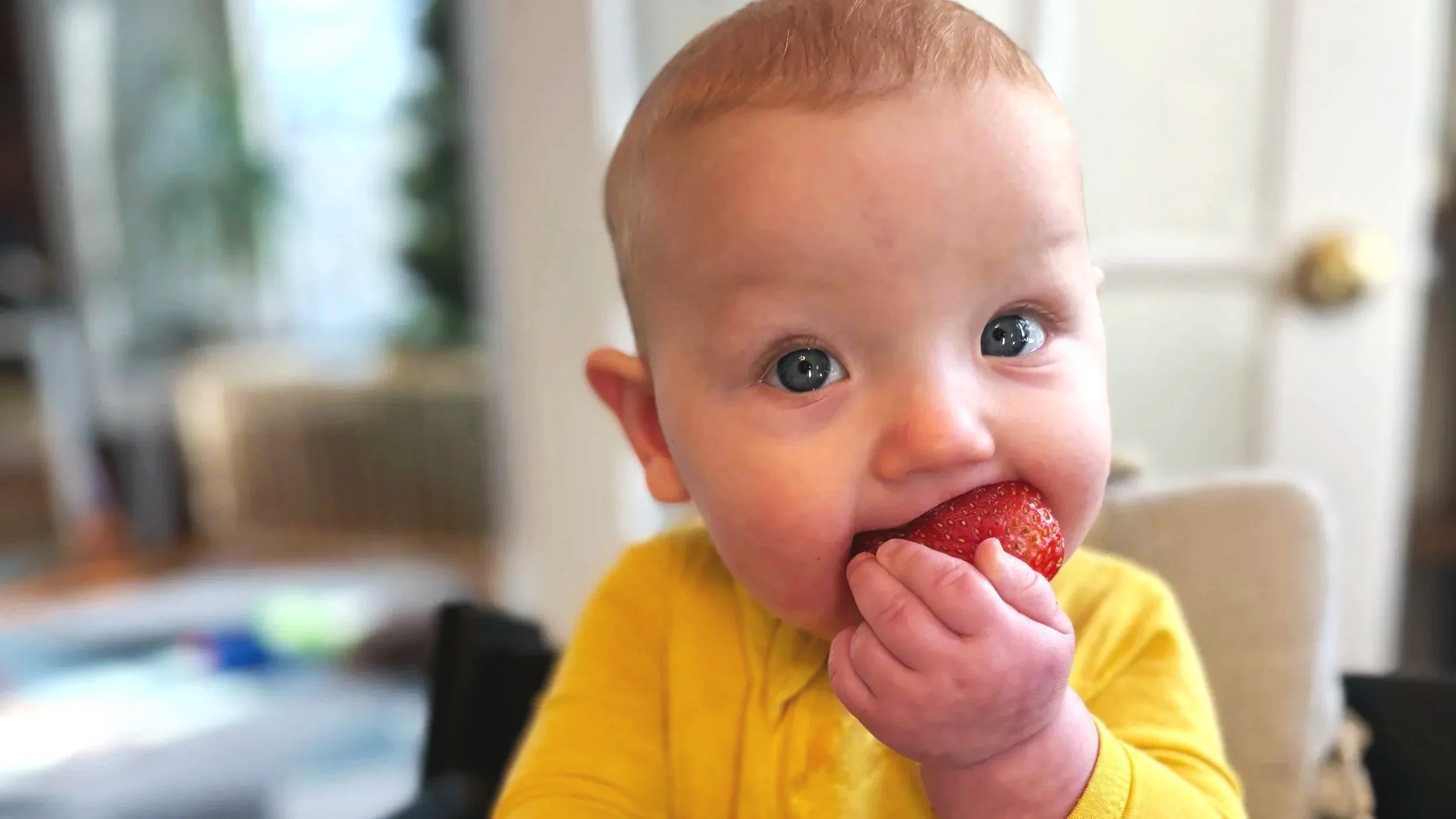
Support chewing, oral development, and taste acceptance while keeping feeding calm, flexible, and enjoyable for both you and your baby.
Course FAQ
-
As a founding member, you receive full access to the entire course, including all current and future chapters, for a one-time price of $25.
You’ll also get:
Lifetime access to the completed course and all future updates
Early access as new chapters are released
A behind-the-scenes look at how the course is built
The lowest price this course will ever be offered
Once the course officially launches, the price will increase but founding members keep access forever.
-
This course is for anyone with babies or young children in their life.
That includes:
Parents and caregivers
First-time parents and experienced parents
Grandparents and extended family members
Educators, therapists, and childcare providers
Anyone who plans to have children and wants to feel prepared
You do not need to be struggling with feeding to benefit from this course.
It’s just as valuable if feeding feels exciting, interesting, or something you want to understand more deeply. -
This course goes beyond what to feed and focuses on how babies actually learn to eat.
You’ll learn:
How feeding skills develop before, during, and after solids begin
What readiness really looks like and how to support it
How taste, texture, movement, and exploration shape eating
How to serve foods safely without fear-based rules
What to do when feeding doesn’t go as expected
How to build calm, confident mealtimes rooted in development and connection
Even if you’ve fed a baby before, this course helps you understand the why behind feeding not just the steps.