CHAPTER 1: What to Feed Babies and Why
Before babies eat food, they need opportunities to build the skills that make feeding feel safe, coordinated, and comfortable.
Feeding readiness isn’t about age or schedules, it’s about development. Every baby arrives here in their own time, and rushing this stage often creates stress later.
This lesson focuses on the foundational skills that support safe and enjoyable feeding long before the first bite.
Key Pre-Feeding Skills
Before offering solids, babies benefit from developing:
Postural control
Tummy time
Tripod sitting with hands forward for support
Sitting independently, even for short periods
Hand-to-mouth coordination
Bringing hands to mouth
Exploring objects with their hands and mouth
Beginning to guide items intentionally toward their mouth
Oral exploration
Tongue movement
Gumming and chewing motions
Tolerating different textures in and around the mouth
Interest and readiness cues
Watching others eat
Reaching toward food
Opening mouth or leaning forward
Increased alertness during family meals
Rolling, sitting, reaching, and oral exploration often develop together. These skills don’t need to be perfect—they just need to be emerging.
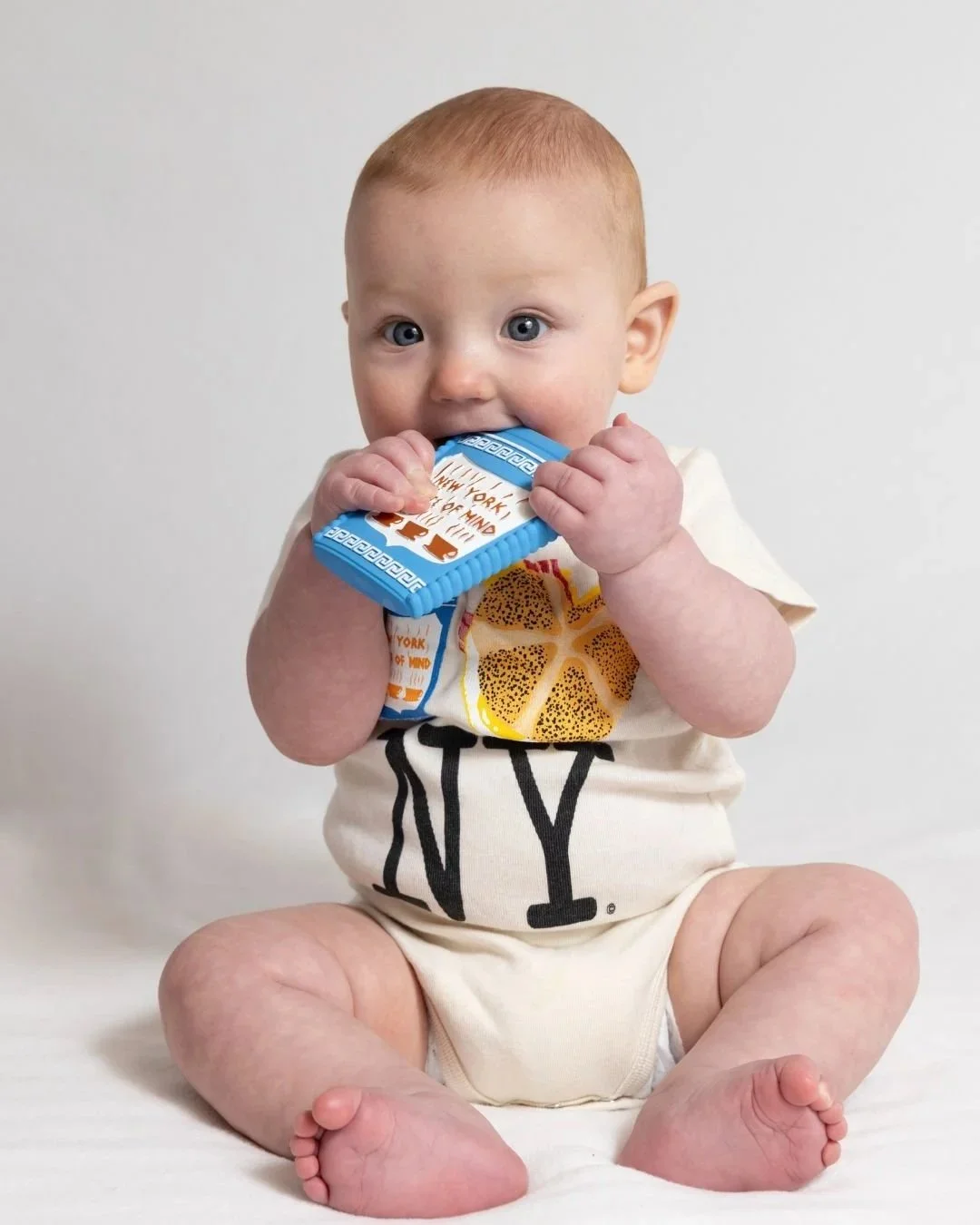
Choosing Safe Teethers
Look for teethers that are:
Made from non-toxic, food-safe materials
Free from PVC, BPA, phthalates, and nitrosamines
Solid with no holes to prevent bacteria buildup
Easy for small hands to grasp
Organic natural rubber teethers, such as Piccolny, are a great option. They are chewable, soothing for gums, eco-friendly, and safe from birth.
A Gentle Reminder
Every baby develops these skills at their own pace. Some will sit early and reach quickly. Others take more time. There is no need to rush feeding before these foundations are in place.
Tummy time, floor play, supported sitting, and access to safe teethers all help build the skills feeding relies on, naturally and without pressure.

Why Teethers Matter
Teethers are not just for sore gums. They are powerful tools for pre-feeding development.
Using teethers supports:
Hand-to-mouth coordination
Tongue movement and jaw awareness
Early chewing patterns
Oral exploration and sensory tolerance
Self-feeding skills
Gum comfort during teething
Teethers allow babies to practice using their mouths without pressure, expectation, or intake. This builds confidence and coordination before food is introduced.